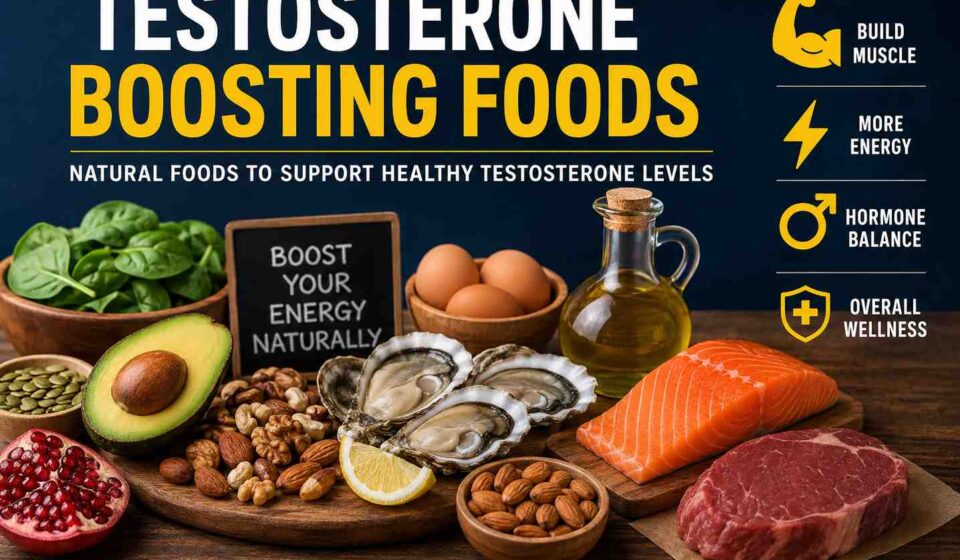

Low energy, reduced sex drive, difficulty building muscle, or changes in sexual function can make you wonder whether your testosterone is too low.
Your diet can support healthy hormone production, but there is an important distinction: no single food can instantly fix low testosterone. The best approach is a nutrient-rich diet combined with regular exercise, healthy weight management, quality sleep, and medical evaluation when symptoms persist.
In this guide, you’ll learn which testosterone boosting foods are worth adding to your diet, which nutrients matter most, what foods to limit, and when you should talk to a doctor.
Quick Answer
Testosterone boosting foods are nutrient-rich foods that support normal hormone production rather than acting like testosterone medicine. Good choices include oysters and other zinc-rich foods, fatty fish, eggs, nuts and seeds, leafy greens, olive oil, avocado, pomegranate, and legumes. A balanced diet, healthy weight, exercise, and adequate sleep are also important for maintaining healthy testosterone levels.
What Is Testosterone?
Testosterone is an important hormone involved in male sexual development, sperm production, muscle and bone health, red blood cell production, and sexual function.
Testosterone levels naturally change throughout life. They can also be affected by obesity, certain illnesses, medications, sleep problems, and disorders affecting the testicles or pituitary gland.
Low testosterone, medically called male hypogonadism, is not diagnosed from symptoms alone. A proper diagnosis requires compatible symptoms together with consistently low testosterone levels on appropriate blood testing.
Healthy testosterone depends on more than one food.
The body needs adequate calories, protein, healthy fats, vitamins, and minerals for normal hormone function. However, eating more of a particular food does not necessarily cause a large increase in testosterone.
What Are Testosterone Boosting Foods?
The term “testosterone boosting foods” usually refers to foods containing nutrients associated with normal testosterone production and overall reproductive health.
Important nutrients include:
- Zinc
- Magnesium
- Vitamin D
- Protein
- Healthy dietary fats
- Selenium
- Antioxidants
The strongest practical approach is to correct nutritional deficiencies and maintain an overall healthy eating pattern rather than relying on a single “superfood.”
For example, zinc deficiency has been associated with lower testosterone, but this does not mean that taking large amounts of zinc will automatically increase testosterone in people who already have adequate zinc levels.
Causes / Reasons for Low Testosterone
Low testosterone can have many possible causes.
Common causes include:
- Obesity or excess body fat
- Aging
- Poor nutrition
- Severe illness
- Certain medications
- Untreated obstructive sleep apnea
- Testicular injury or disease
- Pituitary or hypothalamic disorders
- Certain genetic conditions
- Some chronic diseases
- Cancer treatment such as chemotherapy or radiation
Mayo Clinic notes that obesity, sleep apnea, certain medicines, aging, and problems involving the testicles or pituitary system can contribute to hypogonadism.
Important: Low testosterone is not always caused by diet. If testosterone is genuinely low, finding the underlying cause is important.
Symptoms of Low Testosterone
Possible symptoms include:
- Reduced sex drive
- Erectile difficulties
- Lower energy
- Reduced muscle mass
- Decreased strength
- Mood changes
- Difficulty concentrating
- Reduced body or facial hair
- Infertility
- Lower bone density
- Increased body fat
However, these symptoms can also occur with depression, thyroid disorders, diabetes, medication side effects, poor sleep, stress, or other health conditions.
Risk Factors
Your risk of low testosterone may be higher if you have:
- Obesity
- Poor nutrition
- Chronic illness
- Untreated sleep apnea
- A history of testicular injury
- Certain pituitary disorders
- Previous chemotherapy or radiation
- Certain medication use
- Increasing age
A healthy diet can help support general health, but it cannot replace medical treatment when an underlying condition is present.
Benefits / Importance of a Testosterone-Supportive Diet
A nutritious diet may help support:
- Normal hormone function
- Healthy body weight
- Muscle maintenance
- Cardiovascular health
- Bone health
- Energy levels
- Reproductive health
- Adequate intake of zinc, magnesium, vitamin D, protein, and healthy fats
The goal should not be to push testosterone above normal levels. The goal is to support healthy hormone function and correct nutritional gaps.
The best testosterone-supportive diet is not a single-food diet.
Build meals around protein, vegetables, fruits, whole grains, nuts and seeds, healthy fats, and nutrient-rich foods such as seafood and eggs. Combine this with exercise, adequate sleep, and healthy weight management.
Best Testosterone Boosting Foods
Here are 15 foods that can be part of a balanced diet designed to support hormone and overall health.
1. Oysters
Oysters are one of the richest dietary sources of zinc.
Zinc is important for reproductive health, and zinc deficiency has been associated with lower testosterone levels. However, eating extra zinc does not necessarily increase testosterone if you already get enough.
Best for: Zinc and protein.
2. Fatty Fish
Examples include:
- Salmon
- Sardines
- Mackerel
- Trout
- Herring
Fatty fish provide omega-3 fatty acids, protein, and, depending on the fish, vitamin D.
They can be a useful part of a heart-healthy diet that supports overall metabolic and hormonal health.
3. Eggs
Whole eggs provide:
- High-quality protein
- Selenium
- Choline
- Vitamin B12
- Fat
- Small amounts of vitamin D
Eggs are a convenient source of protein and can fit into a balanced diet.
There is no good evidence that normal egg consumption automatically lowers testosterone.
4. Pumpkin Seeds
Pumpkin seeds provide zinc, magnesium, protein, and healthy fats.
They can be added to:
- Oatmeal
- Yogurt
- Salads
- Smoothies
- Homemade snacks
A small handful can be an easy way to increase nutrient intake.
5. Spinach and Other Leafy Greens
Leafy greens such as spinach, kale, and Swiss chard contain magnesium and other nutrients.
Magnesium is involved in many biological processes, including muscle and nerve function. Some research has found relationships between magnesium status and testosterone, although this does not mean spinach directly acts as testosterone therapy.
6. Avocado
Avocados provide:
- Monounsaturated fats
- Fiber
- Folate
- Potassium
- Magnesium
Healthy dietary fats are important for overall nutrition and can be part of a balanced hormone-supportive eating pattern.
7. Extra-Virgin Olive Oil
Olive oil is rich in monounsaturated fat and antioxidant compounds.
Replacing some sources of saturated or highly processed fats with unsaturated fats can improve overall dietary quality.
Some small studies have explored olive oil and testosterone, but more research is needed before claiming that olive oil directly raises testosterone.
8. Pomegranate
Pomegranate contains antioxidants and polyphenols.
Small studies have explored pomegranate juice and testosterone, including research reporting increases in salivary testosterone. However, these findings are not strong enough to consider pomegranate a treatment for low testosterone.
Best approach: Eat whole pomegranate as part of a balanced diet rather than relying on concentrated juice.
9. Garlic
Garlic contains sulfur-containing compounds and antioxidants.
Animal research has explored possible effects of garlic on testosterone and reproductive health, but evidence in humans is not strong enough to call garlic a proven testosterone booster.
Still, garlic is a nutritious addition to meals.
10. Onions
Onions contain antioxidants and plant compounds.
Some research has investigated onions and testosterone, but much of the evidence comes from animal or laboratory studies. Therefore, onions should be considered a healthy food rather than a testosterone treatment.
11. Ginger
Ginger is widely used in cooking and traditional medicine.
Some animal and laboratory studies suggest possible effects on testosterone and reproductive health. However, controlled human evidence is limited.
Use ginger for flavor and overall dietary variety rather than expecting a dramatic testosterone increase.
12. Nuts
Good choices include:
- Almonds
- Walnuts
- Cashews
- Pistachios
- Brazil nuts
Nuts provide healthy fats, protein, magnesium, and other micronutrients.
Brazil nuts are particularly rich in selenium, so they should be eaten in moderation because excessive selenium intake can be harmful.
13. Beans and Lentils
Beans and lentils provide:
- Plant protein
- Magnesium
- Zinc
- Fiber
- Folate
They are also affordable and practical foods for many households in Pakistan.
Try adding:
- Daal
- Chickpeas
- Kidney beans
- Black beans
- Lentil soup
to your weekly meals.
14. Lean Meat
Lean beef, chicken, and other protein-rich foods can provide protein, zinc, iron, and other nutrients.
Red meat can be included in moderation, but your diet should not rely heavily on processed meats.
A better approach is to rotate protein sources between seafood, eggs, poultry, legumes, dairy, nuts, and moderate amounts of lean meat.
15. Dairy Foods
Milk, yogurt, and other dairy foods can provide:
- Protein
- Calcium
- Vitamin B12
- Vitamin D when fortified
Choose options that fit your overall calorie and health needs.
If you have lactose intolerance, lactose-free dairy or fortified alternatives may be suitable.
Foods to Limit for Better Hormone and Metabolic Health
Rather than focusing only on foods to “boost testosterone,” pay attention to your overall dietary pattern.
Limit excessive intake of:
- Highly processed foods
- Sugary drinks
- Excess added sugar
- Trans fats
- Highly processed meats
- Excessive alcohol
- Very high-calorie diets that promote weight gain
Excessive alcohol intake can negatively affect testosterone production and sexual function.
Important Myth
You do not need to completely eliminate foods such as soy, vegetables, or carbohydrates simply because someone claims they “lower testosterone.”
Hormone health is more complicated than one ingredient or food.
Can Diet Increase Testosterone Naturally?
Sometimes, but the effect depends on the individual.
If someone has a nutrient deficiency, poor diet, obesity, or other lifestyle factors affecting hormone health, improving nutrition and lifestyle may help.
However, food cannot reliably treat every case of hypogonadism.
For example, recent randomized evidence does not show a clear, reproducible increase in testosterone from vitamin D supplementation in adult men overall.
This is why “testosterone boosting” claims should be viewed carefully.
AI Overview Summary
Food supports testosterone; it does not replace testosterone therapy when medically indicated.
If you have symptoms of low testosterone, do not assume that changing your diet alone will solve the problem. Proper testing can determine whether testosterone is actually low and help identify the cause.
Diagnosis of Low Testosterone
If you have symptoms that suggest low testosterone, a healthcare professional may perform:
1. Medical History
Your doctor may ask about:
- Sexual health
- Energy levels
- Sleep
- Medications
- Weight changes
- Medical conditions
- Fertility
- Exercise and diet
2. Physical Examination
The examination may assess body hair, muscle mass, breast tissue, and the testicles when clinically appropriate.
3. Blood Tests
Testosterone is usually measured in the morning because levels vary throughout the day.
The Endocrine Society recommends confirming low testosterone with repeat morning testing rather than relying on a single result.
Additional tests may be needed to determine the cause.
Treatment Options
Treatment depends on why testosterone is low.
Medicines
Testosterone replacement therapy may be appropriate for some men with confirmed hypogonadism.
Possible forms include:
- Injections
- Gels
- Patches
- Pellets
- Certain oral formulations
Testosterone therapy should only be used under appropriate medical supervision.
It can have risks, including increased red blood cells, acne, breast enlargement, sleep-related problems, prostate-related effects, and reduced sperm production.
Important Fertility Warning
Men who are planning to have children should discuss fertility before starting testosterone therapy because testosterone treatment can reduce sperm production. The Endocrine Society specifically recommends against testosterone therapy in men planning fertility in the near term.
Home Remedies
There is no proven home remedy that can instantly raise testosterone.
Instead, focus on habits that support overall health:
- Eat a nutrient-dense diet
- Maintain a healthy weight
- Exercise regularly
- Get enough sleep
- Manage chronic stress
- Avoid excessive alcohol
- Avoid smoking
- Treat underlying health conditions
Lifestyle Tips to Support Healthy Testosterone
1. Strength Train
Resistance training can support muscle strength and body composition.
Examples include:
- Squats
- Push-ups
- Pull-ups
- Lunges
- Weight training
2. Maintain a Healthy Weight
Excess body fat is associated with lower testosterone in many men.
If you are overweight, gradual weight loss can improve metabolic health and may support testosterone levels.
3. Prioritize Sleep
Poor sleep can affect hormones, energy, mood, and sexual health.
Aim for a consistent sleep schedule and adequate sleep each night.
4. Manage Stress
Long-term stress can affect sleep, eating habits, physical activity, and overall hormonal health.
Try:
- Walking
- Exercise
- Deep breathing
- Meditation
- Time outdoors
- Relaxing hobbies
5. Avoid Excessive Alcohol
Heavy alcohol use can negatively affect testosterone and reproductive health.
Simple Testosterone-Supportive Meal Plan
A practical day could look like this:
Breakfast
- 2 whole eggs
- Whole-grain roti or oats
- Spinach or other vegetables
- Plain yogurt
Mid-Morning Snack
- Apple or pomegranate
- Small handful of nuts
Lunch
- Grilled fish or chicken
- Daal or chickpeas
- Salad
- Whole-grain roti
Evening Snack
- Yogurt
- Pumpkin seeds
Dinner
- Lean protein
- Cooked vegetables
- Brown rice or whole-grain roti
- Salad with olive oil
Important Note
This is a general healthy eating example, not a medical diet prescription. Calorie and protein needs vary based on age, body size, activity level, medical conditions, and goals.
Prevention Tips
You cannot prevent every cause of low testosterone, but you can support healthy hormone function by:
- Eating a balanced diet
- Staying physically active
- Maintaining a healthy body weight
- Getting adequate sleep
- Avoiding excessive alcohol
- Avoiding unnecessary hormone or steroid use
- Managing chronic medical conditions
- Seeking medical advice for persistent symptoms
Expert Tips
Expert Tip 1: Don’t Chase a Single “Superfood”
Oysters, eggs, pomegranate, ginger, and other foods can be nutritious, but no single food is a guaranteed testosterone booster.
Expert Tip 2: Correct Deficiencies
If you are deficient in zinc or another nutrient, correcting the deficiency may be important. More is not always better.
Expert Tip 3: Don’t Self-Prescribe Testosterone
Testosterone should not be taken simply because you feel tired or have low libido. Symptoms have many possible causes, and proper testing is needed.
Expert Tip 4: Be Careful With Testosterone Supplements
Many products marketed as “testosterone boosters” have limited evidence behind their claims. One review of commercially marketed supplements found that fewer than one-quarter had supporting evidence for their ingredients, while some contained ingredients with potential concerns.
Expert Tip 5: Think Beyond Testosterone
Energy, sexual health, muscle strength, mood, and fertility depend on many systems. Good sleep, cardiovascular fitness, mental health, nutrition, and metabolic health all matter.
Frequently Asked Questions
1. What foods increase testosterone the most?
There is no single food proven to dramatically increase testosterone in everyone. Zinc-rich foods such as oysters, along with fish, eggs, nuts, seeds, leafy greens, and healthy fats, can provide nutrients involved in normal hormone function. The overall diet and lifestyle are more important than one particular food.
2. Do eggs increase testosterone?
Eggs provide protein, selenium, choline, fats, and other nutrients, making them a useful part of a balanced diet. However, eggs should not be considered a medication or guaranteed testosterone booster. Eating eggs can support overall nutrition, but testosterone levels depend on many factors beyond one food.
3. Does pomegranate increase testosterone?
Some small studies have reported increases in salivary testosterone after pomegranate consumption. However, the evidence is limited and does not prove that pomegranate can treat low testosterone. Pomegranate is still a nutritious fruit that provides antioxidants and can be included in a balanced diet.
4. Which foods are high in zinc for testosterone?
Oysters are particularly rich in zinc. Other sources include beef, poultry, seafood, beans, lentils, pumpkin seeds, nuts, and dairy products. Zinc is important for normal reproductive function, and deficiency is associated with lower testosterone. However, excessive zinc supplementation can cause health problems.
5. Can vitamin D increase testosterone?
The relationship between vitamin D and testosterone is still uncertain. A 2026 systematic review and meta-analysis of randomized trials found no clear overall effect of vitamin D supplementation on total testosterone in adult men. Vitamin D remains important for general health, but supplements should not be treated as guaranteed testosterone boosters.
6. How can I increase testosterone naturally?
Focus on the basics: eat a balanced diet, maintain a healthy weight, perform regular resistance exercise, sleep adequately, manage stress, and limit excessive alcohol. If symptoms persist, see a healthcare professional rather than relying only on foods or supplements. Confirmed hypogonadism may require treatment based on its underlying cause.
7. When should I get my testosterone checked?
Consider discussing testing with a healthcare professional if you have persistent symptoms such as low sex drive, erectile difficulties, unexplained loss of muscle mass, low energy, or fertility problems. Diagnosis should involve symptoms plus consistently low testosterone, generally confirmed with repeat morning testing.
Final
Testosterone boosting foods can support a healthy diet, but they are not a magic treatment for low testosterone.
The best choices include oysters, fatty fish, eggs, pumpkin seeds, leafy greens, avocado, olive oil, nuts, legumes, lean protein, and other nutrient-rich whole foods.
More importantly, combine good nutrition with strength training, healthy weight management, quality sleep, stress control, and limited alcohol.
If you have persistent symptoms of low testosterone, don’t simply start testosterone supplements or hormone products. A healthcare professional can determine whether your testosterone is actually low and investigate the underlying cause.
Your goal should be healthy hormone function—not simply a higher testosterone number.
Medical Disclaimer
This article is for educational purposes and does not replace professional medical advice, diagnosis, or treatment. If you have symptoms of low testosterone or concerns about fertility or sexual health, speak with a qualified healthcare professional.