
Introduction
Eating healthy can feel confusing. Every year, a new diet promises fast weight loss or better health. Many people try restrictive eating plans but struggle to stick with them.
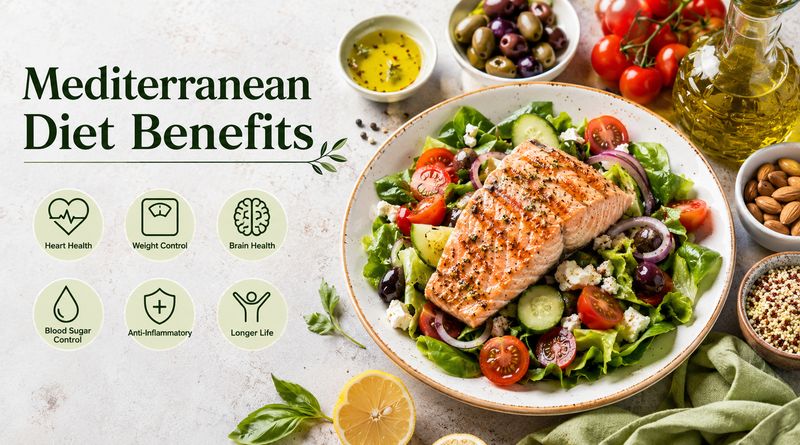
The Mediterranean diet is different. Instead of strict rules, it focuses on fresh, wholesome foods that support your body naturally. Backed by decades of scientific research, this eating pattern is linked to a healthier heart, improved brain function, better weight management, and a longer life.
In this guide, you’ll learn what the Mediterranean diet is, its proven benefits, the best foods to eat, foods to avoid, meal ideas, and practical tips to start today.
Quick Answer
The Mediterranean diet is a healthy eating pattern inspired by countries bordering the Mediterranean Sea. It emphasizes vegetables, fruits, whole grains, legumes, nuts, olive oil, fish, and lean protein while limiting processed foods and added sugar. Research shows it supports heart health, weight management, diabetes prevention, brain function, and overall longevity.
What Is the Mediterranean Diet?
The Mediterranean diet is a balanced eating pattern based on traditional foods enjoyed in countries such as Greece, Italy, and Spain.
Rather than counting calories, it encourages eating natural, minimally processed foods while enjoying meals with family and staying physically active.
Main Foods Include
- Fresh vegetables
- Fruits
- Whole grains
- Olive oil
- Beans and lentils
- Fish
- Nuts
- Seeds
- Herbs and spices
- Low-fat dairy in moderation
Foods Limited
- Sugary drinks
- Fast food
- Refined carbohydrates
- Processed meats
- Excess red meat
- Highly processed snacks
Mediterranean Diet at a Glance
- Rich in healthy fats
- High in fiber
- Supports heart health
- Helps control blood sugar
- Promotes healthy weight
- Reduces inflammation
- Easy to follow long term
Must read: “10 Mental Health Habits That Can Improve Your Daily Life“
Why Is the Mediterranean Diet So Healthy?
Its health benefits come from the combination of nutrient-rich foods rather than a single ingredient.
Key reasons include:
- Healthy fats from olive oil
- High fiber intake
- Plenty of antioxidants
- Natural anti-inflammatory foods
- Low intake of processed foods
- Better gut microbiome support
- Balanced blood sugar control
Together, these factors lower the risk of many chronic diseases.
Symptoms That Your Diet May Need Improvement
Although poor eating habits don’t always cause immediate symptoms, common warning signs include:
- Constant fatigue
- Frequent hunger
- Weight gain
- High cholesterol
- High blood pressure
- Poor digestion
- Low energy
- Brain fog
- Frequent sugar cravings
- Difficulty losing weight
Risk Factors
Certain lifestyle habits increase the risk of diet-related diseases.
These include:
- Physical inactivity
- Smoking
- Obesity
- High sugar intake
- Processed food consumption
- Family history of heart disease
- Diabetes
- High stress
- Poor sleep
Top Mediterranean Diet Benefits
1. Supports Heart Health
One of the biggest Mediterranean diet benefits is reducing cardiovascular disease risk.
Research shows it helps:
- Lower LDL (bad cholesterol)
- Increase HDL (good cholesterol)
- Reduce blood pressure
- Improve blood vessel health
- Lower heart attack risk
2. Helps With Healthy Weight Loss
Unlike crash diets, the Mediterranean diet focuses on sustainable eating habits.
Benefits include:
- Better appetite control
- Higher fiber intake
- Increased fullness
- Reduced calorie intake naturally
- Easier long-term weight maintenance
3. Reduces Type 2 Diabetes Risk
Whole grains, legumes, vegetables, and healthy fats help stabilize blood sugar levels.
Studies show the Mediterranean diet may:
- Improve insulin sensitivity
- Lower blood glucose
- Reduce diabetes complications
- Prevent prediabetes progression
4. Improves Brain Health
Several studies suggest this eating pattern supports healthy aging.
Possible benefits include:
- Better memory
- Reduced cognitive decline
- Lower dementia risk
- Improved concentration
- Better mood
5. Reduces Inflammation
Chronic inflammation contributes to many diseases.
Anti-inflammatory foods include:
- Olive oil
- Fish
- Berries
- Leafy vegetables
- Tomatoes
- Nuts
6. Supports Gut Health
High-fiber foods nourish beneficial gut bacteria.
Benefits include:
- Better digestion
- Improved bowel movements
- Stronger immunity
- Reduced constipation
7. May Increase Life Expectancy
Large population studies consistently link Mediterranean-style eating with:
- Lower mortality
- Better quality of life
- Healthy aging
- Reduced chronic disease risk
Overview Summary
Proven Mediterranean Diet Benefits
✔ Better heart health
✔ Healthy weight management
✔ Improved blood sugar
✔ Stronger brain function
✔ Reduced inflammation
✔ Better digestive health
✔ Lower chronic disease risk
Diagnosis
The Mediterranean diet itself is not a medical treatment, but healthcare professionals may recommend it after evaluating:
- Blood pressure
- Blood sugar
- Cholesterol
- Body weight
- Waist circumference
- Kidney function
- Liver health
Doctors may also assess your current eating habits before creating a nutrition plan.
Must read: Top 10 Healthy Foods in Pakistan You Should Eat Daily
Treatment Options Through Better Nutrition
Medicines
People with diabetes, high blood pressure, or high cholesterol should continue prescribed medications while following medical advice. Never stop medications without consulting your healthcare provider.
Home Remedies
Healthy daily habits include:
- Cooking with olive oil
- Eating more vegetables
- Drinking enough water
- Limiting sugary drinks
- Walking daily
- Eating homemade meals
Lifestyle Tips
- Exercise 150 minutes weekly
- Sleep 7–9 hours
- Manage stress
- Avoid smoking
- Reduce alcohol intake
- Practice mindful eating
Best Mediterranean Foods
Healthy Fats
- Extra virgin olive oil
- Avocados
- Almonds
- Walnuts
- Pistachios
Vegetables
- Spinach
- Tomatoes
- Broccoli
- Cucumbers
- Carrots
- Bell peppers
Fruits
- Apples
- Oranges
- Grapes
- Berries
- Pomegranates
Whole Grains
- Brown rice
- Oats
- Whole wheat bread
- Quinoa
- Barley
Protein
- Fish
- Chicken
- Eggs
- Beans
- Lentils
- Chickpeas
Dairy
- Greek yogurt
- Low-fat cheese
Foods to Limit
- Fried foods
- White bread
- Sugary drinks
- Cakes
- Cookies
- Processed meat
- Sausages
- Chips
- Candy
- Fast food
Sample Mediterranean Diet Meal Plan
Breakfast
Greek yogurt with berries and walnuts
Snack
Apple with almonds
Lunch
Grilled chicken, brown rice, mixed salad, olive oil dressing
Snack
Carrot sticks with hummus
Dinner
Grilled fish, roasted vegetables, quinoa
Dessert
Fresh fruit
Prevention Tips
Following a Mediterranean eating pattern can help reduce the risk of:
- Heart disease
- Stroke
- Obesity
- Type 2 diabetes
- High cholesterol
- High blood pressure
- Fatty liver disease
Simple habits include:
- Cook at home more often
- Eat colorful vegetables daily
- Replace butter with olive oil
- Choose whole grains
- Eat fish twice weekly
- Reduce processed foods
Also read:”10 Dry Fruits Name in Pakistan with Benefits: Complete Healthy Guide“
Quick Summary
The Mediterranean diet is one of the world’s healthiest eating patterns because it combines nutritious foods with sustainable lifestyle habits. It is suitable for most adults and may help prevent many chronic diseases while improving overall well-being.
Frequently Asked Questions (FAQs)
Is the Mediterranean diet good for weight loss?
Yes. It supports gradual, sustainable weight loss by emphasizing high-fiber foods, healthy fats, and balanced meals that increase fullness and reduce overeating.
Can people with diabetes follow the Mediterranean diet?
Yes. Research shows it helps improve blood sugar control, insulin sensitivity, and overall metabolic health when combined with medical treatment and regular exercise.
What foods should I avoid on the Mediterranean diet?
Limit processed foods, sugary drinks, refined carbohydrates, fast food, processed meat, and foods high in trans fats or added sugar.
Is olive oil necessary?
Extra virgin olive oil is one of the main components because it provides healthy monounsaturated fats and antioxidants that support heart health.
Can vegetarians follow the Mediterranean diet?
Absolutely. Beans, lentils, chickpeas, nuts, seeds, vegetables, fruits, and whole grains provide excellent nutrition without meat.
Is the Mediterranean diet suitable for people in Pakistan?
Yes. Many local foods such as lentils (dal), chickpeas (chana), vegetables, seasonal fruits, whole wheat roti, yogurt, fish, and olive oil fit well within the Mediterranean diet pattern.
How long does it take to see benefits?
Some people notice better energy and digestion within a few weeks. Improvements in cholesterol, blood pressure, and blood sugar usually take several weeks to a few months, depending on overall lifestyle and health conditions.
Conclusion
The Mediterranean diet is more than just a meal plan—it’s a sustainable lifestyle supported by strong scientific evidence. By focusing on fresh vegetables, fruits, whole grains, healthy fats, fish, legumes, and mindful eating, you can improve heart health, manage weight, reduce inflammation, and lower the risk of chronic diseases.
Small daily changes often lead to lasting health improvements. Start with one healthy swap today, such as replacing butter with olive oil or adding an extra serving of vegetables to your meals.