
Polycystic Ovary Syndrome (PCOS) affects millions of women worldwide and is becoming increasingly common in Pakistan. Many women struggle with irregular periods, weight gain, acne, and fertility issues without realizing that diet plays a major role in managing these symptoms.
The good news is that a well-planned PCOS diet can help improve hormone balance, support weight management, regulate menstrual cycles, and boost overall health. This guide explains the best PCOS diet plan in Pakistan, including foods to eat, foods to avoid, and practical lifestyle tips.
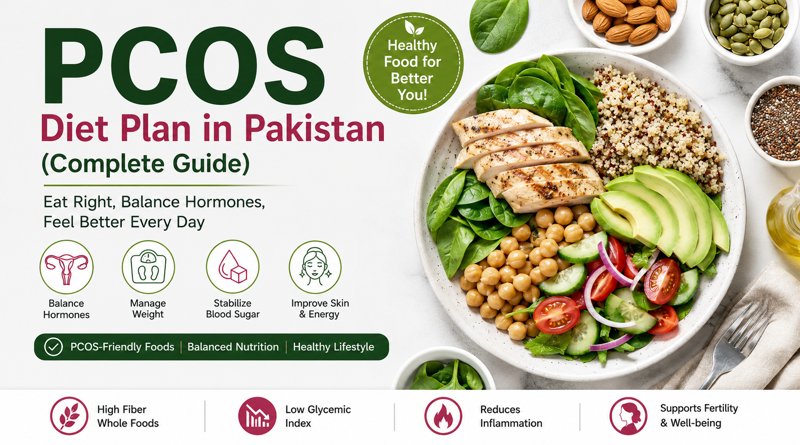
A PCOS diet plan in Pakistan should focus on whole grains, lean proteins, vegetables, fruits, healthy fats, and low-glycemic foods. Reducing sugar, processed foods, and refined carbohydrates may help improve insulin sensitivity, regulate hormones, support weight loss, and reduce common PCOS symptoms.
What is PCOS?
Polycystic Ovary Syndrome (PCOS) is a hormonal disorder that affects women of reproductive age. It can cause irregular menstrual cycles, excess androgen hormones, ovarian cysts, and difficulties with fertility.
Many women with PCOS also experience insulin resistance, which can make weight management more challenging.
Overview Summary
PCOS is a hormone-related condition that commonly causes irregular periods, weight gain, acne, and fertility issues. A healthy diet and lifestyle can significantly improve symptoms and long-term health outcomes.
Must read: Menstrual Cup: Benefits, Risks, and How to Use Safely
Causes of PCOS
The exact cause of PCOS remains unknown, but several factors may contribute:
- Insulin resistance
- Hormonal imbalance
- Genetic factors
- Chronic inflammation
- Family history of PCOS
- Obesity or overweight
Symptoms of PCOS
Common symptoms include:
- Irregular periods
- Missed periods
- Weight gain
- Acne
- Excess facial or body hair
- Hair thinning
- Difficulty getting pregnant
- Dark patches on the skin
- Mood changes
Risk Factors
Women may have a higher risk of developing PCOS if they have:
- Family history of PCOS
- Obesity
- Insulin resistance
- Type 2 diabetes
- Sedentary lifestyle
- Hormonal disorders
Benefits of Following a PCOS Diet
A healthy PCOS diet may help:
- Improve insulin sensitivity
- Support healthy weight loss
- Regulate menstrual cycles
- Reduce inflammation
- Improve fertility
- Lower cholesterol levels
- Improve energy levels
- Reduce acne and skin issues
Overview Summary
Research suggests that a balanced diet combined with regular exercise may significantly improve hormone regulation and reduce many symptoms associated with PCOS.
Diagnosis of PCOS
Doctors may diagnose PCOS using:
Medical History
Review of menstrual patterns and symptoms.
Physical Examination
Checking weight, blood pressure, acne, and hair growth.
Blood Tests
Hormone levels, insulin levels, and blood sugar testing.
Ultrasound
Examining ovaries for cysts and other abnormalities.
Must read: Pregnancy Week by Week Guide: 40 Essential Tips
Treatment Options
Medicines
Doctors may prescribe:
- Metformin
- Birth control pills
- Fertility medications
- Anti-androgen medications
Always consult a qualified healthcare professional before starting any medication.
Home Remedies
- Drink enough water
- Get adequate sleep
- Manage stress
- Follow a balanced diet
- Exercise regularly
Lifestyle Tips
- Walk 30–45 minutes daily
- Strength training 2–3 times weekly
- Avoid sugary beverages
- Reduce processed foods
- Maintain a healthy weight
Best PCOS Diet Plan in Pakistan
Breakfast Options
- Boiled eggs with whole wheat roti
- Oats with nuts and seeds
- Greek yogurt with fruit
- Besan chilla with vegetables
Mid-Morning Snack
- Almonds
- Walnuts
- Apple
- Guava
Also Read: Apple Benefits: Your Daily Nutrition Guide for 2026
Lunch Options
- Grilled chicken
- Brown rice
- Mixed vegetables
- Salad
Evening Snack
- Roasted chickpeas
- Green tea
- Fresh fruit
Dinner Options
- Fish curry
- Lentils (Daal)
- Vegetable soup
- Whole wheat chapati
Best Foods for PCOS
High-Fiber Foods
- Oats
- Brown rice
- Whole wheat
- Lentils
Lean Protein
- Chicken
- Fish
- Eggs
- Beans
Healthy Fats
- Olive oil
- Avocados
- Nuts
- Seeds
Vegetables
- Spinach
- Broccoli
- Cucumber
- Carrots
Fruits
- Apples
- Berries
- Guava
- Pears
Must read: Top 10 Best Summer Fruits in Pakistan
Foods to Avoid with PCOS
Women with PCOS should limit:
- Sugary drinks
- Soft drinks
- White bread
- White rice (excess amounts)
- Cakes and pastries
- Processed snacks
- Fast food
- Excess fried foods
Overview Summary
For PCOS management, prioritize high-fiber, protein-rich foods and minimize refined carbohydrates and sugary foods to improve insulin resistance and hormone balance.
Prevention Tips
Although PCOS cannot always be prevented, healthy habits may lower risk and improve symptoms:
- Maintain healthy body weight
- Exercise regularly
- Eat balanced meals
- Get enough sleep
- Manage stress
- Monitor blood sugar levels
- Schedule regular health checkups
FAQs
What is the best breakfast for PCOS in Pakistan?
A balanced breakfast with protein and fiber, such as eggs with whole wheat roti or oats with nuts, may help stabilize blood sugar levels and reduce hunger throughout the day.
Can diet cure PCOS completely?
There is currently no permanent cure for PCOS. However, a healthy diet, regular exercise, and proper medical care can effectively manage symptoms and improve quality of life.
Is rice bad for PCOS?
Not necessarily. Choosing brown rice and controlling portion sizes may be a better option than consuming large amounts of refined white rice.
Which fruit is best for PCOS?
Low-glycemic fruits such as apples, berries, pears, and guava are generally considered good choices for women managing PCOS.
Can weight loss improve PCOS symptoms?
Yes. Even a modest weight loss of 5–10% may improve insulin sensitivity, hormone levels, menstrual regularity, and fertility outcomes.
Is milk good for PCOS?
Milk may be included in moderation depending on individual tolerance. Some women find that reducing dairy helps improve symptoms, while others tolerate it well.
Can exercise help PCOS?
Regular exercise may improve insulin resistance, support weight management, regulate hormones, and reduce the risk of long-term health complications.
Expert Tips
- Include protein with every meal.
- Eat fiber-rich foods daily.
- Avoid skipping breakfast.
- Stay physically active.
- Manage stress through meditation or yoga.
- Monitor your menstrual cycle regularly.
- Consult a gynecologist or endocrinologist for personalized care.
Conclusion
Following a healthy PCOS diet plan in Pakistan can play a powerful role in managing symptoms, improving hormone balance, supporting fertility, and promoting long-term health. Focus on whole foods, lean proteins, vegetables, healthy fats, and regular exercise while limiting processed and sugary foods.
If you are experiencing symptoms of PCOS, consult a healthcare professional for proper diagnosis and personalized treatment. Small lifestyle changes today can lead to significant health improvements in the future.