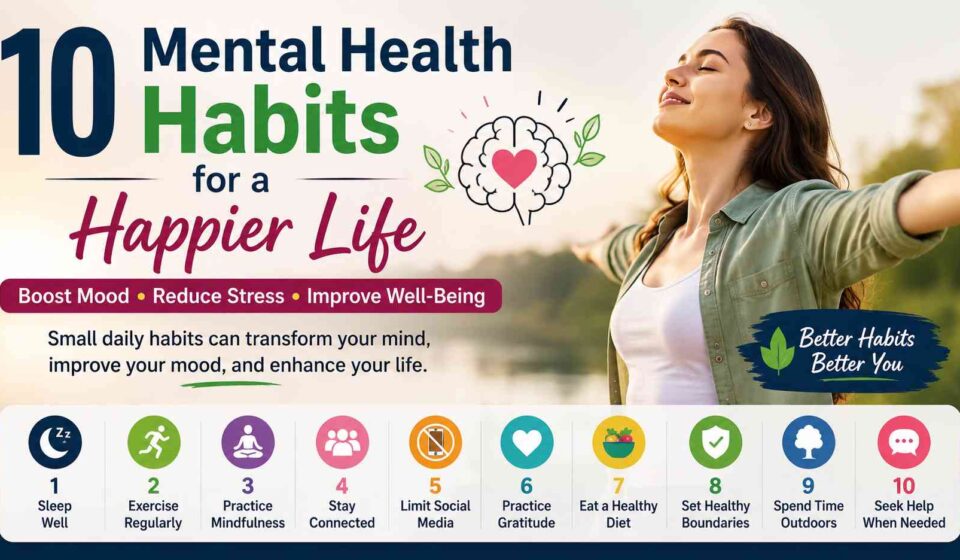

Mental health affects how we think, feel, and act every day. Many people focus on physical health but overlook the small daily habits that can strengthen emotional well-being. The good news is that improving your mental health does not always require major changes. Simple, consistent habits can make a significant difference in your mood, stress levels, relationships, and overall quality of life.
In this guide, you’ll learn 10 evidence-based mental health habits that can help you feel more balanced, productive, and emotionally resilient.
Quick Answer
Mental health habits are daily practices that support emotional and psychological well-being. Healthy habits such as regular exercise, quality sleep, mindfulness, social connection, healthy eating, and stress management can improve mood, reduce anxiety, increase focus, and help prevent mental health challenges.
What Are Mental Health Habits?
Mental health habits are regular behaviors that help maintain emotional, psychological, and social well-being. Just as brushing your teeth protects oral health, healthy mental habits help protect your mind from stress, burnout, anxiety, and depression.
Examples include:
- Exercising regularly
- Practicing gratitude
- Getting enough sleep
- Managing stress effectively
- Building healthy relationships
Why Mental Health Habits Matter
Good mental health habits can:
- Reduce stress and anxiety
- Improve emotional resilience
- Enhance concentration and productivity
- Strengthen relationships
- Promote better physical health
- Improve sleep quality
- Increase overall life satisfaction
Overview Summary
People who practice healthy mental habits consistently are more likely to experience improved emotional well-being, better stress management, and higher quality of life.
Signs Your Mental Health Needs Attention
You may benefit from healthier mental health habits if you experience:
- Constant stress
- Low motivation
- Irritability
- Difficulty concentrating
- Poor sleep
- Feelings of sadness
- Social withdrawal
- Frequent worry
- Emotional exhaustion
Risk Factors for Poor Mental Health
Several factors can negatively affect mental health:
- Chronic stress
- Lack of sleep
- Poor nutrition
- Social isolation
- Financial difficulties
- Traumatic experiences
- Chronic medical conditions
- Substance abuse
- Work-related burnout
10 Mental Health Habits That Can Improve Your Daily Life
1. Prioritize Quality Sleep
Sleep plays a crucial role in emotional regulation and brain function.
Tips:
- Sleep 7–9 hours nightly
- Maintain a consistent sleep schedule
- Avoid screens before bedtime
Benefits
- Better mood
- Improved focus
- Lower stress levels
2. Exercise Regularly
Physical activity releases endorphins that improve mood and reduce anxiety.
Best options:
- Walking
- Cycling
- Swimming
- Strength training
- Yoga
Benefits
- Reduced stress
- Better confidence
- Increased energy
3. Practice Mindfulness
Mindfulness helps you stay present and reduce overthinking.
Examples:
- Meditation
- Deep breathing
- Mindful walking
Benefits
- Reduced anxiety
- Improved emotional control
- Better concentration
4. Stay Connected with Others
Strong social connections are linked to better mental health.
Ways to connect:
- Spend time with family
- Call a friend
- Join community groups
Benefits
- Emotional support
- Reduced loneliness
- Better coping skills
5. Limit Social Media Use
Excessive social media use may increase stress and comparison.
Tips:
- Set screen-time limits
- Take regular digital breaks
- Follow positive accounts
Benefits
- Better self-esteem
- Reduced anxiety
- Improved focus
6. Practice Gratitude Daily
Gratitude helps shift attention toward positive experiences.
Simple method:
Write down three things you’re thankful for each day.
Benefits
- Improved happiness
- Better optimism
- Reduced negative thinking
7. Eat a Balanced Diet
Nutrition directly affects brain health.
Focus on:
- Fruits
- Vegetables
- Whole grains
- Lean proteins
- Healthy fats
Benefits
- Better mood stability
- Improved energy
- Enhanced cognitive function
8. Set Healthy Boundaries
Protecting your time and energy is essential.
Examples:
- Learn to say no
- Avoid overcommitting
- Prioritize self-care
Benefits
- Reduced burnout
- Improved self-respect
- Better work-life balance
9. Spend Time Outdoors
Nature has a calming effect on the brain.
Activities:
- Walking in parks
- Gardening
- Hiking
Benefits
- Lower stress hormones
- Improved mood
- Better mental clarity
10. Seek Help When Needed
Professional support can be life-changing.
Consider speaking with:
- Psychologists
- Counselors
- Psychiatrists
Benefits
- Early intervention
- Better coping strategies
- Improved long-term outcomes
Diagnosis
Mental health habits themselves are not a medical condition. However, if symptoms such as persistent sadness, anxiety, sleep disturbances, or emotional distress interfere with daily life, a mental health professional can perform an evaluation.
Treatment Options
Professional Support
- Cognitive Behavioral Therapy (CBT)
- Counseling
- Psychiatric consultation
Medicines
Some conditions may require medications prescribed by qualified healthcare professionals.
Home Remedies
- Regular exercise
- Mindfulness practice
- Journaling
- Healthy sleep routine
Lifestyle Tips
- Stay physically active
- Reduce caffeine intake
- Build supportive relationships
- Maintain a daily routine
Best Diet and Foods for Mental Health
Research suggests these foods support brain function:
- Fatty fish
- Nuts and seeds
- Leafy green vegetables
- Berries
- Eggs
- Whole grains
- Yogurt
- Legumes
Overview Summary
A nutrient-rich diet supports brain health and emotional well-being. Omega-3 fatty acids, antioxidants, vitamins, and minerals play important roles in mental wellness.
Prevention Tips
To maintain good mental health:
- Exercise regularly
- Sleep adequately
- Manage stress proactively
- Stay socially connected
- Practice gratitude
- Limit alcohol and substance use
- Seek help early
Overview Summary
Consistent healthy habits are one of the most effective ways to protect mental well-being and reduce the risk of mental health challenges.
Expert Tips
Mental health improvement is not about perfection. Small daily actions performed consistently often produce greater long-term benefits than drastic changes. Focus on building one habit at a time and track your progress weekly.
Trusted resources include WHO, CDC, and Mayo Clinic for evidence-based mental health information.
Frequently Asked Questions
What is the most important mental health habit?
Quality sleep is one of the most important habits because it affects mood, memory, stress management, and overall brain function.
How long does it take to improve mental health habits?
Many people notice small improvements within a few weeks, while long-term benefits often develop over several months of consistent practice.
Can exercise improve mental health?
Yes. Regular physical activity can reduce symptoms of stress, anxiety, and depression while improving mood and self-confidence.
How does diet affect mental health?
Healthy foods provide nutrients needed for brain function, emotional regulation, and energy production, which can positively influence mental well-being.
Are mental health habits enough to treat depression?
Healthy habits can support recovery, but moderate to severe depression may require professional treatment, therapy, or medication.
How much sleep is recommended for good mental health?
Most adults benefit from 7–9 hours of quality sleep each night for optimal mental and physical health.
When should I seek professional help?
Seek help if emotional symptoms persist, worsen, or interfere with work, relationships, daily activities, or overall quality of life.
Conclusion
Mental health is built through daily actions. By incorporating habits such as quality sleep, exercise, mindfulness, healthy eating, gratitude, and social connection, you can improve your emotional well-being and enjoy a healthier, more balanced life.
Start with one habit today. Small changes practiced consistently can create powerful improvements over time.