
Do you often feel worried, restless, or overwhelmed even when there is no obvious reason? Occasional anxiety is a normal part of life, but persistent anxiety can interfere with your daily activities, relationships, and overall well-being.
Recognizing the signs of anxiety disorder early can help you seek appropriate support and prevent symptoms from becoming more severe. In this guide, you’ll learn the most important warning signs, causes, risk factors, treatment options, and practical ways to manage anxiety effectively.
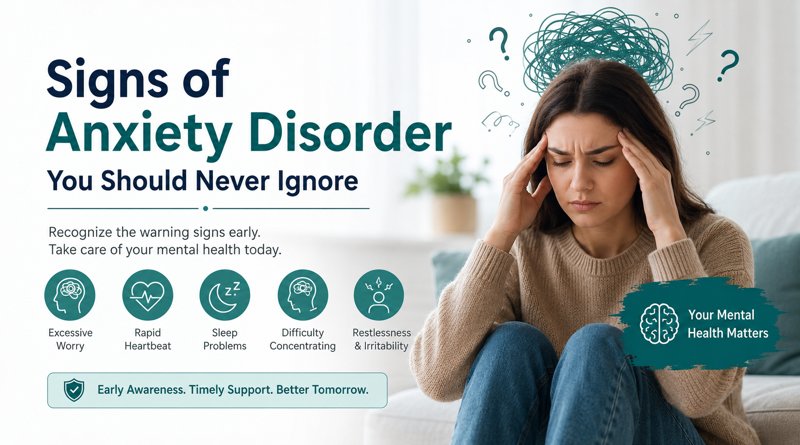
Anxiety disorder is a mental health condition characterized by excessive fear, worry, or nervousness that persists for weeks or months and affects daily life. Common signs include constant worrying, restlessness, difficulty sleeping, rapid heartbeat, irritability, and trouble concentrating. Early diagnosis and treatment can significantly improve quality of life.
What Is Anxiety Disorder?
Anxiety disorder is a group of mental health conditions that cause intense and persistent feelings of worry, fear, or panic. Unlike everyday stress, anxiety disorders can affect work, school, relationships, and physical health.
Common types include:
- Generalized Anxiety Disorder (GAD)
- Panic Disorder
- Social Anxiety Disorder
- Specific Phobias
- Separation Anxiety Disorder
Must read: “How to Reduce Stress Naturally: 15 Proven Techniques That Work“
Causes of Anxiety Disorder
There is no single cause of anxiety disorder. Multiple factors may contribute, including:
Biological Factors
- Brain chemistry imbalances
- Hormonal changes
- Genetics and family history
Psychological Factors
- Childhood trauma
- Chronic stress
- Negative thinking patterns
Environmental Factors
- Financial difficulties
- Relationship problems
- Work-related stress
- Major life changes
Signs and Symptoms of Anxiety Disorder You Should Never Ignore
The following symptoms may indicate an anxiety disorder:
Emotional Symptoms
- Constant excessive worrying
- Feeling nervous or on edge
- Irritability
- Fear of losing control
- Persistent feelings of dread
Physical Symptoms
- Rapid heartbeat
- Chest tightness
- Excessive sweating
- Shaking or trembling
- Dizziness
- Shortness of breath
- Fatigue
Cognitive Symptoms
- Difficulty concentrating
- Racing thoughts
- Memory problems
- Constant overthinking
Sleep-Related Symptoms
- Difficulty falling asleep
- Frequent waking during the night
- Unrefreshing sleep
Overview Summary
People with anxiety disorder often experience excessive worry, physical symptoms such as rapid heartbeat, and difficulty concentrating. Symptoms usually persist and interfere with daily activities.
Must read: “Mental Health Awareness Guide (2026)“
Risk Factors
Certain factors may increase the likelihood of developing anxiety disorders:
- Family history of anxiety
- History of depression
- Chronic medical conditions
- Substance abuse
- High-stress lifestyle
- Childhood trauma
- Female gender
Why Early Detection Matters
Identifying anxiety symptoms early offers several benefits:
- Faster recovery
- Better treatment outcomes
- Improved quality of life
- Reduced risk of depression
- Better work and academic performance
- Healthier relationships
Overview Summary
Early recognition of anxiety disorder allows timely treatment, reducing long-term mental and physical health complications.
Diagnosis
A healthcare professional may diagnose anxiety disorder through:
Medical Evaluation
- Physical examination
- Review of symptoms
- Medical history assessment
Psychological Assessment
- Mental health screening questionnaires
- Clinical interviews
- Symptom severity evaluation
Commonly used tools include GAD-7 and other anxiety screening assessments.
Treatment Options
Medicines
Healthcare providers may prescribe:
- Selective Serotonin Reuptake Inhibitors (SSRIs)
- Serotonin-Norepinephrine Reuptake Inhibitors (SNRIs)
- Anti-anxiety medications in selected cases
Medication should only be taken under medical supervision.
Home Remedies
- Deep breathing exercises
- Meditation
- Mindfulness practices
- Journaling
- Spending time outdoors
Lifestyle Tips
- Exercise regularly
- Maintain healthy sleep habits
- Limit caffeine intake
- Avoid smoking and alcohol misuse
- Build a support network
Overview Summary
Treatment for anxiety disorder may include therapy, medication, lifestyle modifications, stress management techniques, and regular physical activity.
Best Diet and Foods for Anxiety
Certain foods may support mental well-being:
Recommended Foods
- Fatty fish
- Nuts and seeds
- Whole grains
- Leafy green vegetables
- Yogurt and probiotic foods
- Fruits rich in antioxidants
Foods to Limit
- Excess caffeine
- Sugary drinks
- Processed foods
- Excessive alcohol
Also Read: “Apple Benefits: Your Daily Nutrition Guide for 2026 “
Prevention Tips
Although anxiety cannot always be prevented, these strategies may reduce risk:
- Manage stress effectively
- Exercise regularly
- Prioritize sleep
- Practice mindfulness
- Maintain social connections
- Seek help when symptoms begin
Frequently Asked Questions
1. What are the first signs of anxiety disorder?
Early signs often include excessive worrying, nervousness, difficulty concentrating, sleep problems, and physical symptoms such as increased heart rate and sweating.
2. Can anxiety disorder go away on its own?
Mild anxiety may improve with lifestyle changes, but persistent symptoms often require professional evaluation and treatment.
3. How do I know if my anxiety is serious?
If anxiety interferes with daily activities, relationships, work, or sleep for several weeks, professional assessment is recommended.
4. What triggers anxiety disorder?
Triggers vary but commonly include stress, trauma, financial difficulties, health concerns, and major life changes.
5. Is anxiety disorder treatable?
Yes. Most people experience significant improvement through therapy, medication, lifestyle changes, or a combination of treatments.
6. Can anxiety cause physical symptoms?
Yes. Anxiety can cause rapid heartbeat, sweating, dizziness, muscle tension, fatigue, and digestive issues.
7. When should I see a doctor for anxiety?
Seek medical advice if symptoms persist, worsen, or interfere with daily life, work performance, relationships, or sleep.
Expert Tips
Mental health professionals recommend:
- Do not ignore persistent worry.
- Track your symptoms in a journal.
- Prioritize sleep and exercise.
- Practice relaxation techniques daily.
- Seek professional help early.
- Avoid self-medicating with alcohol or drugs.
Conclusion
Anxiety disorder is more than occasional stress. Persistent worry, restlessness, sleep disturbances, and physical symptoms should never be ignored. Early recognition and treatment can significantly improve your mental health and overall quality of life.
If you notice these warning signs in yourself or a loved one, consider speaking with a healthcare professional. Taking action today can help prevent more serious mental health challenges in the future.