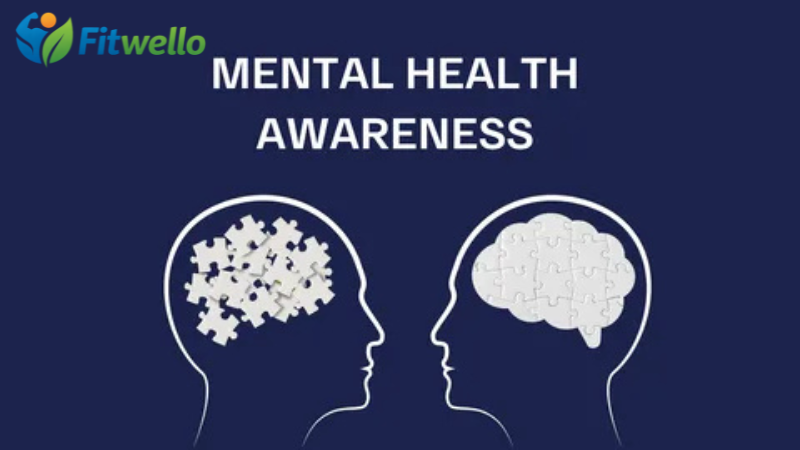

Mental health refers to a person’s emotional, psychological, and social well-being. It affects how we think, feel, and act. Maintaining good mental health involves managing stress, maintaining relationships, sleeping well, and seeking help when needed.
What is Mental Health?
Mental health is a multi-dimensional state of well-being that includes:
- Cognitive function (thinking & decision-making)
- Emotional regulation (handling stress & feelings)
- Behavioral response (actions & habits)
According to global health standards, good mental health allows an individual to:
- Cope with daily stress
- Work productively
- Contribute to society
Why Mental Health Awareness is Important
Mental health awareness helps:
- Reduce stigma around psychological disorders
- Encourage early diagnosis and prevention
- Improve quality of life and productivity
- Promote healthier communities
👉 Ignoring mental health can lead to long-term issues like chronic anxiety, depression, and burnout.
Common Symptoms of Poor Mental Health
Use this quick checklist for awareness:
Emotional Symptoms
- Persistent sadness
- Anxiety or fear
- Irritability
Physical Symptoms
- Sleep disturbances
- Fatigue
- Low energy
Behavioral Symptoms
- Social withdrawal
- Loss of interest in activities
- Poor concentration
👉 If these symptoms last more than 2 weeks, professional support is recommended.
Root Causes of Mental Health Problems
1. Chronic Stress
Work pressure, academic stress, and financial issues overload the nervous system.
2. Digital Overstimulation
Excessive social media leads to:
- Comparison anxiety
- Dopamine imbalance
- Reduced attention span
3. Sleep Deprivation
Lack of sleep disrupts:
- Brain recovery
- Emotional stability
- Hormonal balance
4. Poor Nutrition
Deficiencies in:
- Magnesium
- Vitamin D
- Omega-3
can negatively affect brain function.
5. Social Isolation
Humans are biologically wired for connection. Isolation increases risk of depression.
Also Read: Apple Benefits: Your Daily Nutrition Guide for 2026
How to Improve Mental Health Naturally
1. Build a Structured Routine
Consistency reduces decision fatigue and anxiety.
2. Exercise Regularly
Physical activity:
- Releases endorphins
- Reduces cortisol (stress hormone)
3. Optimize Nutrition for Brain Health
Include:
- Healthy fats (Omega-3)
- Leafy greens
- Protein sources
4. Practice Digital Detox
Limit screen exposure to reduce mental overload.
5. Prioritize Sleep Hygiene
- 7–9 hours sleep
- Reduce blue light before bed
6. Practice Mindfulness & Breathing
Simple breathing techniques can:
- Lower heart rate
- Reduce anxiety instantly
Daily Mental Health Routine
Morning
- 10–15 min sunlight exposure
- Light movement or walk
Afternoon
- Balanced meals
- Stay hydrated
Evening
- Light activity or social interaction
Night
- No screens 1–2 hours before bed
- Relaxation or journaling
Must read: How to Improve Sleep Quality: A Science-Backed Guide to Better, Deeper Sleep
When to Seek Professional Help
You should consult a mental health professional if:
- Symptoms persist beyond 2 weeks
- Daily functioning is affected
- You experience panic attacks or severe anxiety
- You feel emotionally overwhelmed
👉 Early intervention leads to better outcomes.
Mental Health Myths vs Facts
| Myth | Fact |
| Mental health issues are rare | They are very common globally |
| Only weak people seek help | Seeking help is a strength |
| It will go away on its own | Most cases need intervention |
Final Thoughts
Mental health is not optional—it is essential for a balanced life. Small daily habits can create long-term psychological resilience.
👉 The key is consistency, awareness, and taking action early.