
Summer vacations are exciting for kids, but extreme heat, dehydration, infections, and unhealthy eating habits can affect their health quickly. Parents often struggle to keep children active, hydrated, and protected during hot weather.
This guide shares expert-backed summer health tips for children to help parents keep kids safe, energetic, and healthy throughout the season.
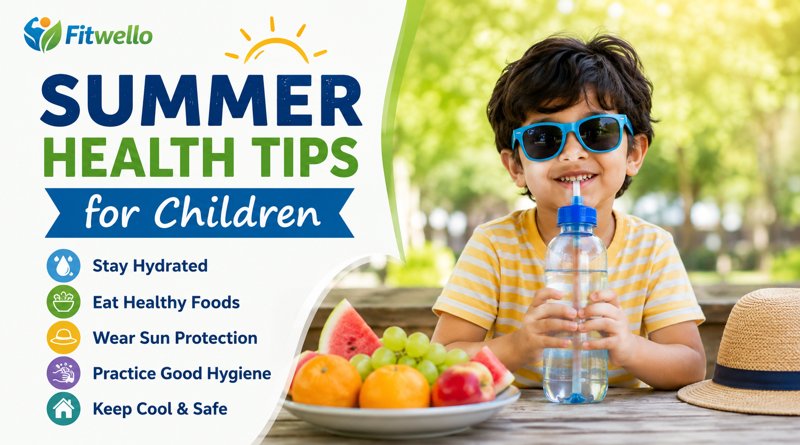
Summer health tips for children include keeping them hydrated, protecting them from heat and sun exposure, offering healthy seasonal foods, maintaining hygiene, and avoiding outdoor activities during peak heat hours. These habits help prevent dehydration, heatstroke, infections, and fatigue during summer.
What Are Summer Health Tips for Children?
Summer health tips for children are simple lifestyle, hydration, nutrition, and safety practices that help protect kids from common summer illnesses.
These tips focus on:
- Preventing dehydration
- Avoiding heatstroke
- Protecting skin from sunburn
- Maintaining healthy eating habits
- Preventing infections caused by heat and poor hygiene
Children are more sensitive to heat than adults because their bodies cannot regulate temperature efficiently.
Overview Summary
Children are at higher risk of dehydration and heat exhaustion during summer. Proper hydration, healthy meals, sunscreen, and limited sun exposure are essential for keeping kids healthy and active.
Must read: Heatwave Survival Tips: Stay Safe in Extreme Summer Heat
Common Summer Health Risks in Children
Hot weather increases the chances of several health problems.
Dehydration
Children lose fluids quickly through sweating.
Heat Exhaustion & Heatstroke
Excessive outdoor play in hot temperatures may increase body temperature dangerously.
Food Poisoning
Improperly stored foods spoil faster during summer.
Skin Rashes
Sweat and humidity can cause prickly heat and fungal infections.
Stomach Infections
Contaminated water and unhygienic food may lead to diarrhea.
Symptoms Parents Should Watch For
Parents should monitor children for:
- Excessive thirst
- Dry lips or mouth
- Dizziness
- Fatigue
- Fever
- Vomiting
- Headache
- Reduced urination
- Skin redness or rashes
- Irritability
Severe symptoms may require immediate medical attention.
Risk Factors
Some children are more vulnerable to summer-related illnesses.
Higher Risk Includes:
- Infants and toddlers
- Children playing outdoors for long hours
- Kids with asthma or chronic illness
- Poor hydration habits
- Overweight children
- Children exposed to direct sunlight frequently
Why Summer Health Care Is Important
Proper summer care helps:
- Prevent dehydration
- Improve immunity
- Maintain energy levels
- Reduce infection risk
- Improve sleep quality
- Keep children physically active
- Support healthy growth
Healthy summer routines also improve mood and concentration.
Overview Summary
Simple habits like drinking water regularly, wearing lightweight clothes, eating fruits, and avoiding midday heat can significantly reduce summer-related illnesses in children.
Diagnosis of Heat-Related Illnesses
Doctors may diagnose summer illnesses based on:
- Physical examination
- Body temperature
- Hydration levels
- Blood pressure
- Symptoms history
In severe dehydration cases, blood or urine tests may be needed.
Treatment Options
Medicines
Medicines should only be used under medical supervision.
Doctors may recommend:
- Oral rehydration salts (ORS)
- Fever medicines like paracetamol
- Anti-allergy creams for rashes
- Electrolyte solutions
Avoid giving unnecessary antibiotics.
Home Remedies
Helpful home care includes:
- Give plenty of water
- Fresh lemon water
- Coconut water
- Cold milk
- Keep child in cool environment
- Use wet towels on forehead
Lifestyle Tips
- Avoid outdoor play from 11 AM to 4 PM
- Dress children in light cotton clothes
- Encourage indoor physical activities
- Ensure proper sleep
- Maintain personal hygiene
Best Diet & Foods for Children in Summer
Healthy foods help children stay cool and hydrated.
Best Summer Foods
- Watermelon
- Mangoes in moderation
- Cucumbers
- Yogurt
- Bananas
- Coconut water
- Fresh juices
- Homemade smoothies
- Leafy vegetables
Foods to Avoid
- Excess junk food
- Sugary soft drinks
- Spicy oily meals
- Street food in extreme heat
Pakistan-Specific Summer Health Tips
Pakistan experiences extreme summer temperatures, especially in Punjab, Sindh, and southern regions.
Important Tips for Pakistani Parents
- Always carry clean drinking water
- Use boiled or filtered water
- Avoid outdoor play during heatwaves
- Prefer homemade food over roadside snacks
- Keep ORS available at home
Estimated Summer Care Costs in Pakistan
- ORS sachet: PKR 50–100
- Sunscreen for kids: PKR 800–2500
- Pediatric consultation: PKR 1500–5000
Prevention Tips
Follow these prevention tips daily:
- Encourage water intake every hour
- Apply child-safe sunscreen
- Use caps and sunglasses outdoors
- Bathe children regularly
- Keep nails clean
- Avoid overcrowded hot places
- Provide balanced meals
- Ensure clean drinking water
Overview Summary
Preventing summer illness in children mainly depends on hydration, hygiene, healthy diet, and sun protection. Parents should monitor children closely during heatwaves and seek medical care if symptoms worsen.
Frequently Asked Questions (FAQs)
1. How much water should children drink in summer?
Children should drink water regularly throughout the day. School-age children may need 1.5 to 2 liters daily depending on activity and temperature.
2. What are the signs of dehydration in children?
Common signs include dry mouth, dizziness, dark urine, weakness, headaches, and reduced urination.
3. Which foods keep children cool in summer?
Water-rich foods like watermelon, cucumber, yogurt, coconut water, and fresh fruits help children stay hydrated and cool.
4. Can children play outside in extreme heat?
Outdoor play should be limited during peak heat hours from 11 AM to 4 PM to reduce heatstroke risk.
5. Is sunscreen safe for children?
Yes, child-safe sunscreen is generally recommended for outdoor activities to protect against harmful UV rays.
6. What should parents do during a heatwave?
Keep children indoors, provide fluids frequently, use fans or air conditioning, and avoid heavy meals.
7. When should parents consult a doctor?
Seek medical help if a child develops high fever, severe vomiting, fainting, confusion, or signs of severe dehydration.
Expert Tips for Parents
Pediatric experts recommend creating a summer routine for children.
Expert Recommendations:
- Keep reusable water bottles nearby
- Add fruits to daily snacks
- Limit screen time and encourage indoor games
- Teach children handwashing habits
- Monitor weather updates during heatwaves
Parents should also educate children about heat safety.
Conclusion
Summer can be enjoyable and healthy for children when parents follow proper safety and nutrition practices. Hydration, balanced meals, sun protection, and hygiene are the most effective ways to prevent common summer illnesses.
By following these summer health tips for children, parents can help kids stay active, energetic, and protected throughout the season.For more child health guides and wellness tips, visit Fitwello.