
Summer heatwaves are becoming more dangerous every year, especially in countries like Pakistan where temperatures can rise above 45°C. Extreme heat can lead to dehydration, heat exhaustion, and even life-threatening heatstroke.
This guide shares practical and medically accurate heatwave survival tips to help you stay cool, hydrated, and safe during hot summer days.
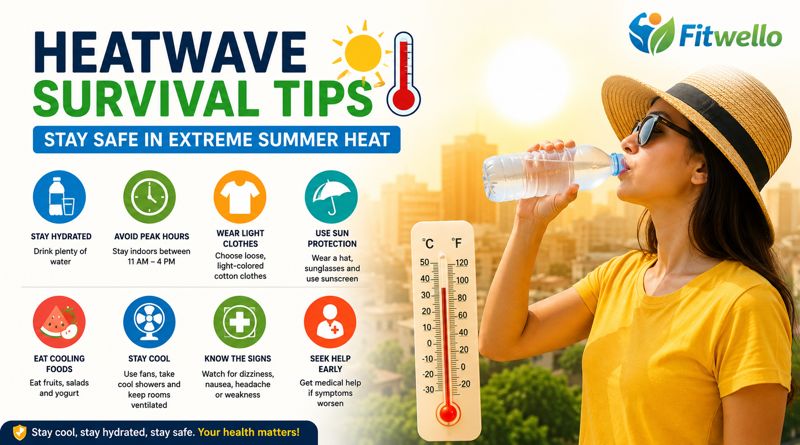
Heatwave survival tips include drinking plenty of water, avoiding direct sunlight during peak hours, wearing light clothes, eating hydrating foods, and staying indoors in cool environments. Recognizing early signs of heat exhaustion like dizziness, weakness, and excessive sweating can help prevent serious heat-related illnesses.
What is Heatwave Survival Tips for Summer?
Heatwave survival tips are safety measures that help protect the body from extreme temperatures during summer. These strategies reduce the risk of dehydration, heat exhaustion, sunburn, and heatstroke.
A heatwave usually occurs when temperatures remain unusually high for several days. According to the World Health Organization (WHO), prolonged heat exposure can seriously affect health, especially in children and older adults.
Causes / Reasons of Heatwaves
Several environmental and lifestyle factors can increase the risk of heatwaves:
- Climate change
- High humidity
- Urban heat islands
- Lack of ventilation
- Global warming
- Excessive outdoor exposure
- Poor hydration habits
In many South Asian countries, rising temperatures are making heatwaves more frequent and intense.
Symptoms of Heat-Related Illness
Heatwaves can affect the body in different ways.
Common Symptoms
- Excessive sweating
- Dizziness
- Fatigue
- Headache
- Muscle cramps
- Nausea
- Rapid heartbeat
- Dry mouth
- Confusion
- High body temperature
Warning Signs of Heatstroke
Seek emergency medical help if someone experiences:
- Loss of consciousness
- Very high fever
- Hot and dry skin
- Difficulty breathing
- Seizures
Risk Factors
Some people are more vulnerable to extreme summer heat.
High-Risk Groups
- Elderly individuals
- Infants and children
- Pregnant women
- Outdoor workers
- Athletes
- People with heart disease
- Diabetic patients
- Individuals with obesity
People living in areas with frequent electricity outages are also at higher risk during heatwaves.
Must read: Vitamin D Deficiency: Symptoms & Best Foods for Fast Recovery
Why Heatwave Safety is Important
Ignoring heatwave precautions can lead to serious health complications.
Health Risks of Extreme Heat
- Severe dehydration
- Heat exhaustion
- Heatstroke
- Kidney stress
- Low blood pressure
- Electrolyte imbalance
Overview Summary
Heatwaves are not just uncomfortable—they can become medical emergencies. Proper hydration, cooling techniques, and early symptom recognition can save lives during extreme summer temperatures.
Diagnosis of Heat-Related Illness
Doctors diagnose heat-related conditions based on:
- Body temperature
- Physical symptoms
- Blood pressure
- Hydration levels
- Blood tests (in severe cases)
Heatstroke is a medical emergency and requires immediate treatment.
Heatwave Treatment Options
Medicines (If Applicable)
Some medications may help manage symptoms:
- Oral rehydration salts (ORS)
- Electrolyte solutions
- Fever reducers (only under medical advice)
Avoid self-medication during severe heat illness.
Home Remedies
These simple remedies can help cool the body naturally:
- Drink cold water regularly
- Apply wet cloths on forehead
- Take cool showers
- Rest in shaded areas
- Use fans or air conditioning
Lifestyle Tips
- Avoid outdoor activities from 11 AM to 4 PM
- Wear loose cotton clothes
- Use sunglasses and hats
- Keep indoor spaces ventilated
- Avoid caffeine and sugary drinks
Overview Summary
The best way to survive a heatwave is prevention. Staying hydrated, limiting sun exposure, and cooling the body early can prevent dangerous complications like heatstroke.
Best Diet / Foods During Summer
Eating hydrating and cooling foods helps regulate body temperature.
Best Summer Foods
- Watermelon
- Cucumber
- Yogurt
- Coconut water
- Citrus fruits
- Mint drinks
- Salad vegetables
Drinks to Stay Hydrated
- Lemon water
- ORS solutions
- Fresh juices
- Buttermilk
- Electrolyte drinks
Avoid excessive spicy and oily foods during extreme heat.
Heatwave Prevention Tips
Follow these proven summer safety tips:
Prevention Checklist
- Drink 8–12 glasses of water daily
- Stay indoors during peak heat hours
- Never leave children in parked cars
- Use sunscreen
- Wear light-colored clothing
- Check weather updates regularly
- Keep emergency water supplies
Overview Summary
Simple daily habits like drinking water, eating hydrating foods, and avoiding direct sunlight can significantly reduce heatwave-related health risks.
Expert Tips Section
Doctor-Recommended Summer Safety Tips
- Start hydration early in the morning
- Keep ORS packets at home
- Monitor elderly family members
- Avoid heavy exercise in hot weather
- Use umbrellas outdoors
- Take frequent cooling breaks
Healthcare experts recommend recognizing early symptoms before they become emergencies.
Must read: Top 10 Healthy Foods in Pakistan You Should Eat Daily
Frequently Asked Questions (FAQs)
How can I survive extreme summer heat?
Stay hydrated, avoid direct sunlight, wear loose cotton clothes, and rest in cool places. Drinking electrolyte-rich fluids also helps prevent dehydration during heatwaves.
What should I drink during a heatwave?
Water, ORS solutions, lemon water, coconut water, and fresh fruit juices are excellent choices during extreme heat because they help maintain hydration and electrolytes.
What are the first signs of heat exhaustion?
Early symptoms include dizziness, sweating, weakness, nausea, headache, and muscle cramps. Immediate cooling and hydration are important to prevent worsening.
Who is most at risk during heatwaves?
Children, elderly people, pregnant women, outdoor workers, and patients with chronic diseases are more vulnerable to heat-related illnesses.
Can heatwaves cause serious health problems?
Yes. Severe heat can lead to heatstroke, dehydration, kidney problems, and even death if proper precautions are not taken.
What foods help cool the body in summer?
Water-rich foods like watermelon, cucumber, yogurt, and citrus fruits help cool the body naturally and improve hydration.
Is heatstroke dangerous?
Heatstroke is a life-threatening emergency. Symptoms include confusion, unconsciousness, very high fever, and dry skin. Immediate medical treatment is required.
Conclusion
Heatwaves are becoming more dangerous worldwide, but simple precautions can protect your health and your family. Staying hydrated, avoiding excessive sun exposure, eating cooling foods, and recognizing warning signs early are the best ways to stay safe during summer.
If you experience severe symptoms like confusion, fainting, or high fever, seek medical help immediately.For more health and wellness guides, visit Fitwello.